

0 Comments
Leave Your Comment »
What if Zelda could jump?
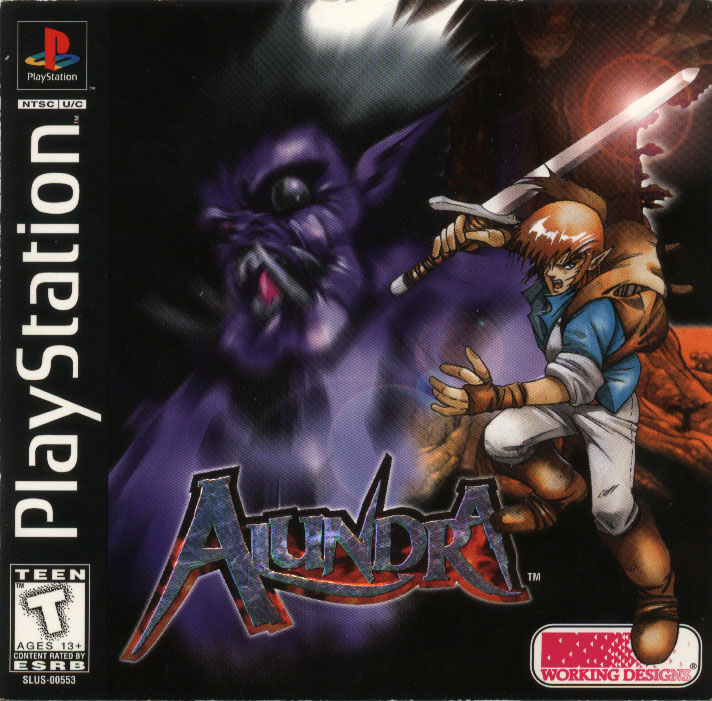
This time on Backloggers, I'm joined by two new guests, Chris and Jamie, to discuss our second retro game, the Playstation classic Alundra. On the block for discussion are some of the other games in the "Stalker" franchise (it's not what you think!) Working Designs legacy and our relative histories with their titles, and our familiarity with similar games, like the Zelda franchise.
Raising the stakes.
Telltale has chosen to make a statement with its second episode of Season Two. Through some great character moments and some really tough choices, I reached points of happiness and distress during “A House Divided”. Whereas Episode 1 was great on its own, Episode 2 reminded me why Telltale’s storytelling ability is to be reckoned with.

Shipwrecked.
PolyPusher Studios, the Irish developer behind Montague’s Mount, describes its latest project as a “psychological rollercoaster ride through isolation, desolation, and one man’s tortured mind.” Its perception of the game it created doesn’t quite align with the game it actually released, where the rollercoaster is more like rush hour traffic, and the only tortured mind is my own. Montague's Mount is a first-person adventure/puzzle game about a man who awakens on the beach of a deserted fishing island, unable to remember who he is or why he’s there. Promising although the concept sounds, concept only goes so far without the execution to back it up.

Haven’t I been here before, over and over again?
Just imagine that you’re one of the most unlucky people in the world for a moment, and you’re walking along and a cute girl asks if you want to have a free try with a small lottery machine. Now let’s say you win for the first time in your life, and that prize just happens to be a transformation into God. That’s how the story goes for Renya, and unfortunately, it’s the last bit of luck you see throughout the rest of the game.

“Feed me quarters.”
Oh, Space Harrier, how should I describe you? Should I compare thee to an endless runner? Thou art more lovely and insane. Rough controls do tire the limbs of any gamer, and this title’s fun supply is far too short. But the eternal summer of my nostalgia for this game shall never fade, nor will the death of the ‘80s cast shadows upon its uniqueness.

“Amnesia? Again?!?”
There’s a special place in hell for JRPG fans. Their sin? Playing the same game with the same story over and over without complaining once. I suppose there are worse crimes than this, but there is a sort of masochistic glee in which JRPG fans partake in their vice. Perhaps we love grinding and crafting so much that we don’t really care about the story too much – despite our claims that we play these games for the tales they tell. Perhaps it’s the newness of the dungeons or the shiny equipment that makes the tedium of saving the world over and over remain novel. But, despite these tropes, this genre seems to continue on, and sometimes even with some of the most loathed archetypes and clichés, JRPGs can rise to heights other genres can’t.
A Star Fox clone this is not.
Looks can be deceiving, particularly in the case of 3D Galaxy Force II. After watching a bit of footage of the game, I thought I was in for a fantastic Star Fox-like experience, piloting through space, taking down enemies and battling epic bosses at the conclusion of each level. While these are things you’ll do throughout the game, it never exhibits the finesse of the Star Fox series and the imprecise controls ensure that most players aren’t going to get much out of this particular 3D Classic.